Introduction
Graphic design trends shift every year, shaped by new tech, culture, and how people consume digital content. What was popular a few years back can make a comeback with a fresh twist, while newer styles keep emerging as designers push boundaries.
For a brand, following trends doesn't mean constantly overhauling your visual identity. Instead, understanding what's trending helps you pick the right visual approach to get your message across. Eye-catching design grabs attention, sure, but the right design is what actually strengthens your branding and boosts engagement on social media.
In 2026, a handful of design styles have become go-tos for brands thanks to how distinctive and flexible they are across different content formats. From nostalgic throwbacks to futuristic visuals, here are five graphic design styles worth drawing inspiration from.
Y2K Design
Y2K takes its cues from the late '90s through the early 2000s. Think the futuristic look people imagined back then bright colors, chrome and metallic effects, glow, and all those distinctly digital-era elements.
Y2K has made a comeback in recent years, driven largely by fashion, music, and internet culture. Brands lean on it to evoke nostalgia while still feeling fresh to younger audiences.
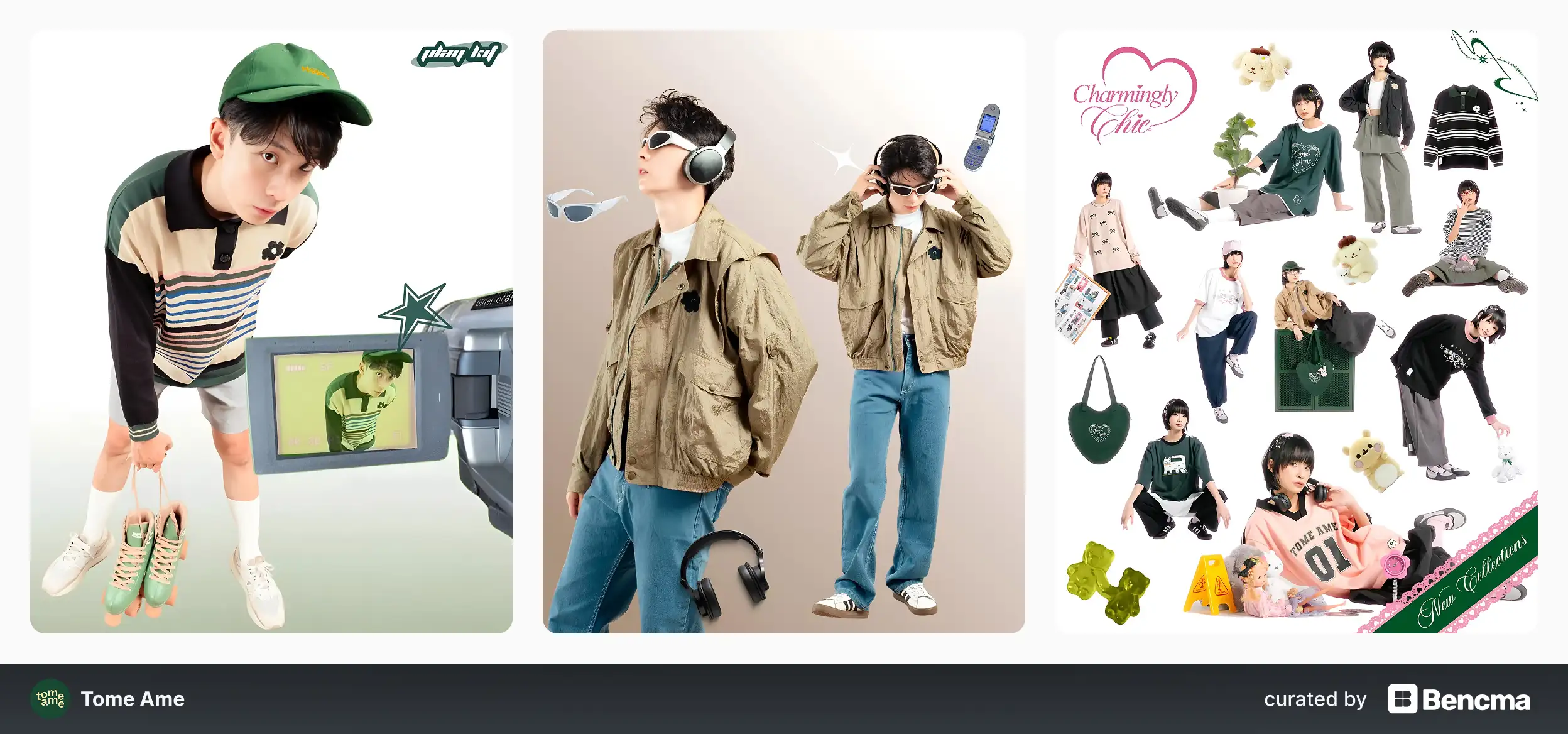
See how Tomo Ame brings this aesthetic to life on Bencma.
Characteristics
Bright, high-contrast colors
Chrome or metallic effects
Gradients and glow
Retro-style typography
Digital elements typical of the 2000s
On social media, Y2K shows up a lot in product campaigns, fashion and beauty promos, and content aimed at Gen Z. Its playful visuals make it easy to catch attention mid-scroll.
3D Design
As design tech advances, 3D visuals keep getting more realistic and easier to produce. 3D Design brings objects to life with lighting effects, texture, shadow, and depth of perspective.
It's a popular choice because it can make a product look premium instantly. Even something simple looks a lot more compelling once it's rendered in 3D.
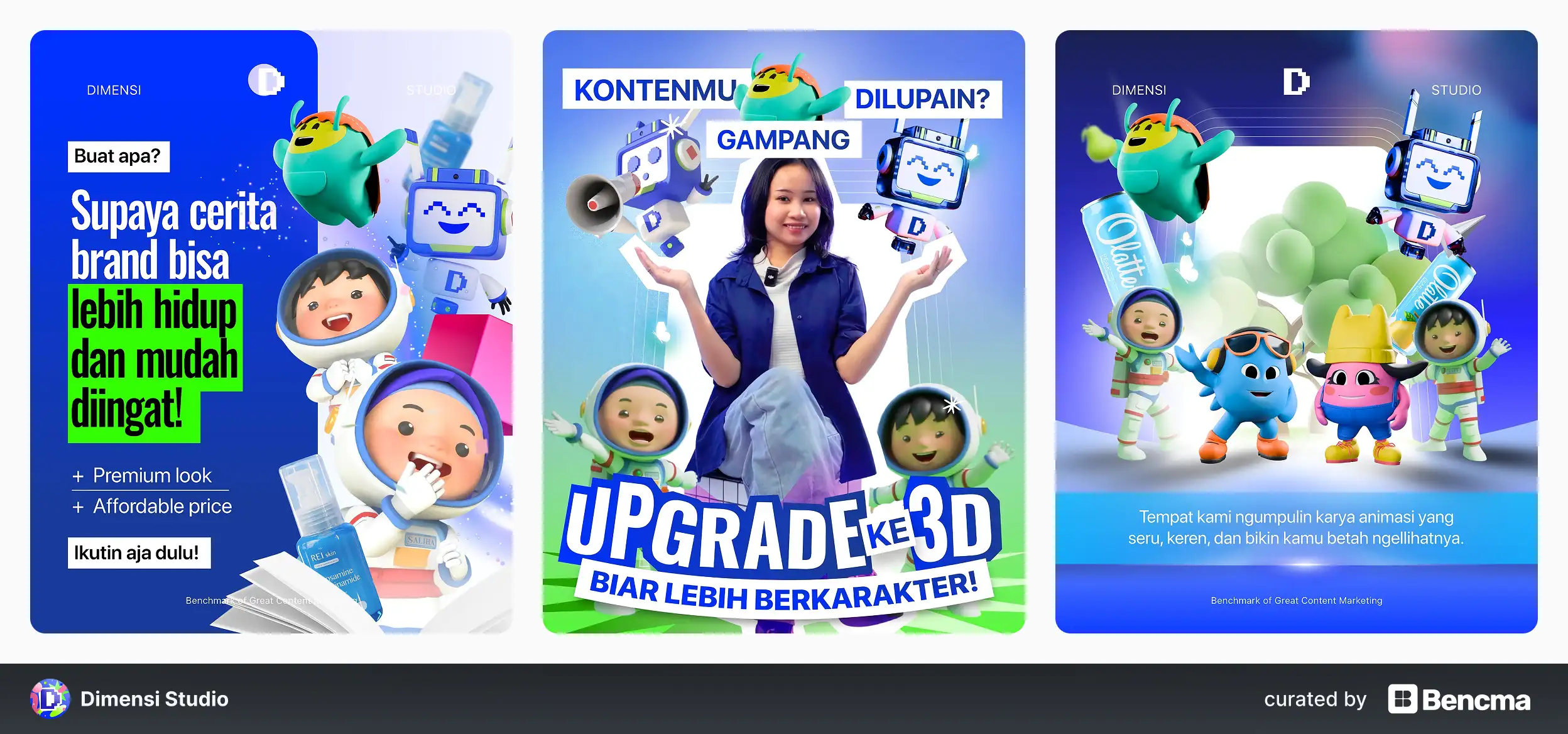
See how Dimensi Studio brings this aesthetic to life on Bencma.
Characteristics
Visual depth
Realistic lighting
Detailed textures
Strong perspective
Modern, premium feel
In social content, 3D Design is often used to showcase products in a more compelling way. Plenty of brands rely on it as the main visual for launches, promos, and digital campaigns to keep the product front and center.
Brutalism
Brutalism throws conventional design rules out the window. Asymmetrical layouts, oversized type, clashing colors, and compositions that look almost "unfinished" on purpose, that's its signature.
Despite looking rough around the edges, Brutalism creates a strong, unmistakable visual identity. It reads as bold, expressive, and a clear break from the usual polished look.
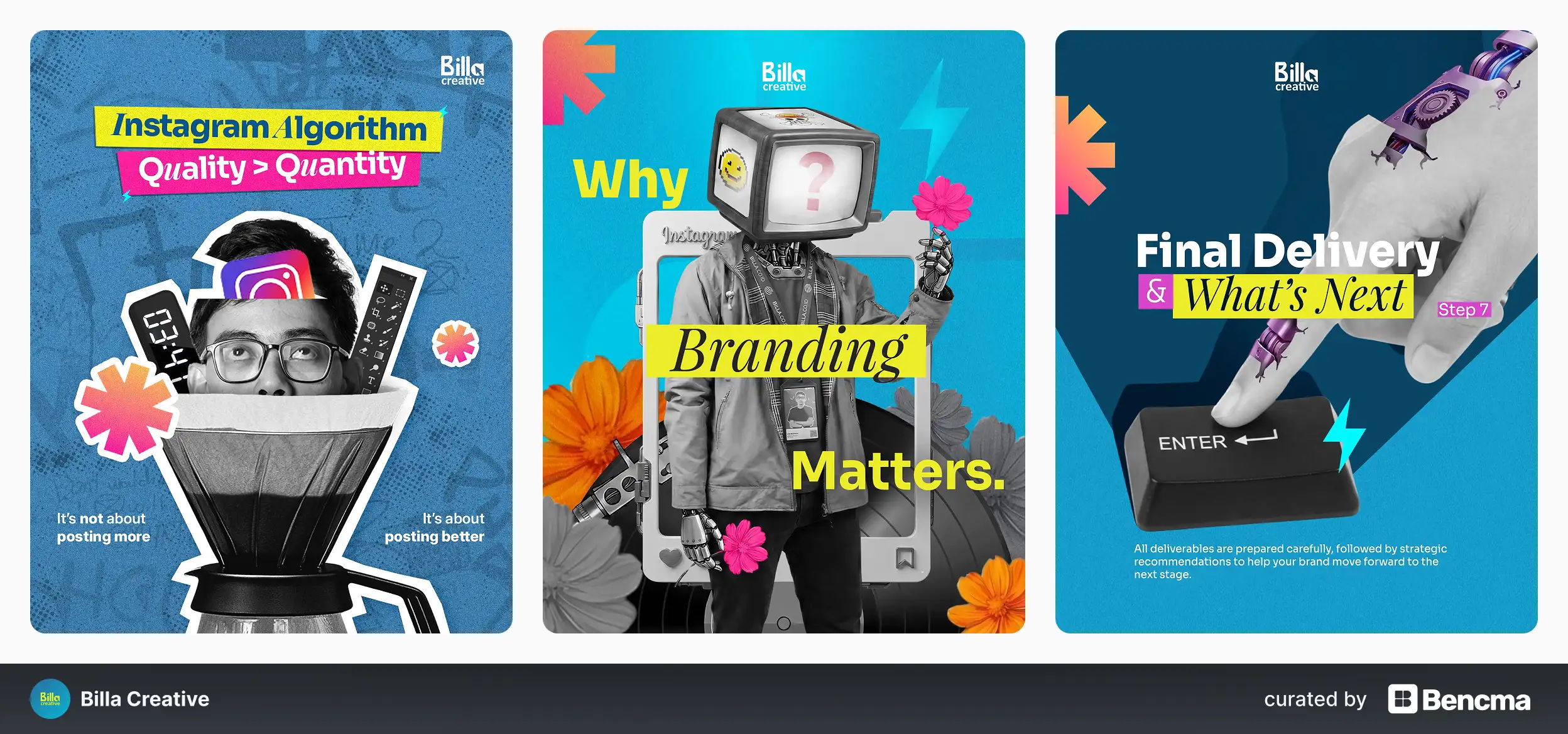
See how Billa Creative brings this aesthetic to life on Bencma.
Characteristics
Experimental layouts
Large typography
High-contrast colors
Asymmetrical composition
Bold visuals
A lot of creative brands turn to Brutalism for promos, campaign teasers, or big announcements. It works well when a brand wants to make a statement and stick in people's memory.
Mesh Gradient
Mesh Gradient takes the classic gradient a step further, blending multiple color points across a single space. The result is a smoother, more natural, and more dynamic color transition than a standard gradient.
Startups and digital companies gravitate toward it because it looks simple yet still modern. Soft, blended colors give the design a cleaner overall feel.
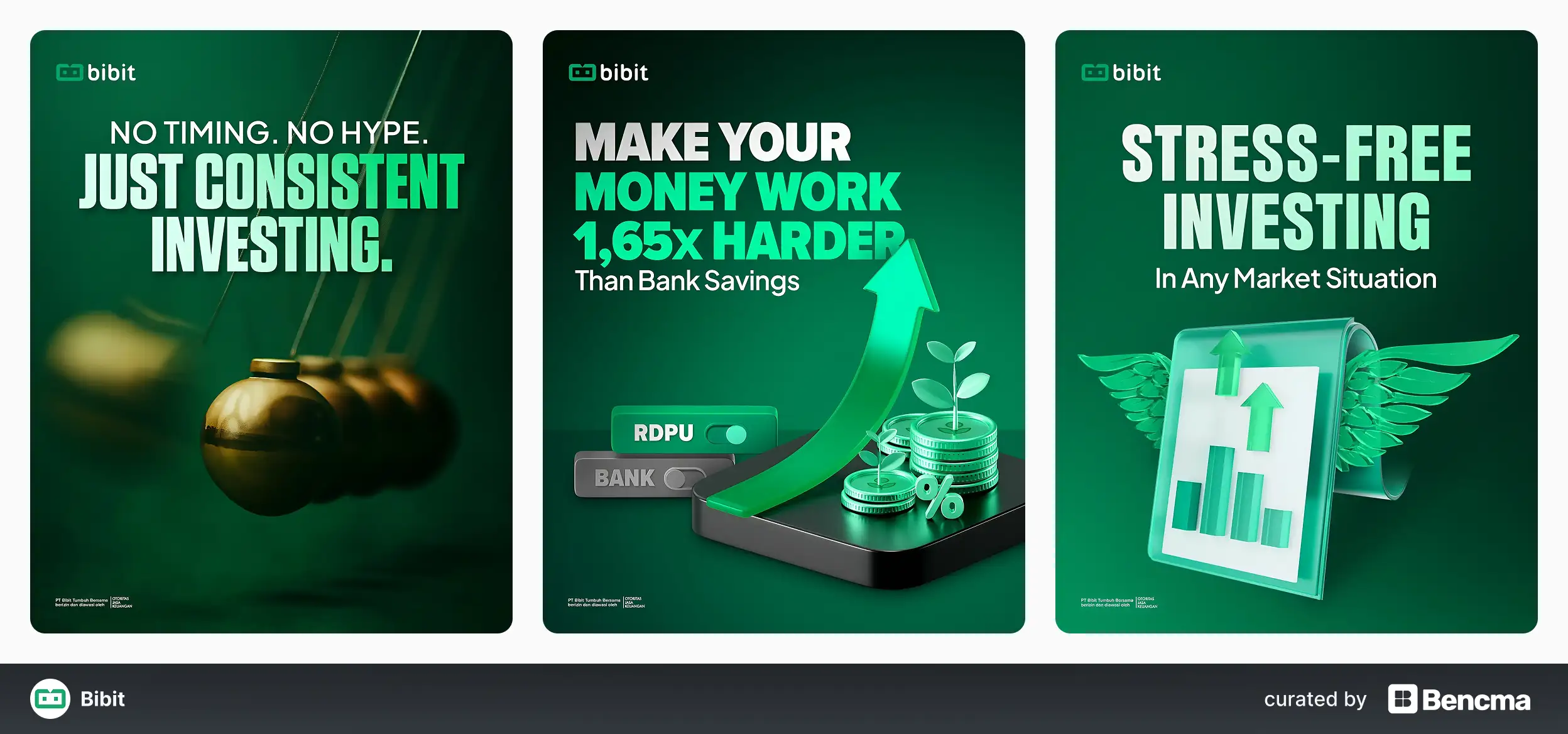
See how Bibit brings this aesthetic to life on Bencma.
Characteristics
Smooth color transitions
Multiple color points
Modern look
Soft colors
Premium feel
In social media design, Mesh Gradient often serves as the background so content feels fresh without pulling focus away from the main message. It also pairs easily with illustration and typography.
Bold Typography
Not every design needs elaborate illustration. Bold Typography proves that type alone can carry the entire visual, and grab attention while doing it.
This style leans on oversized, heavy, high-contrast lettering so the core message lands in just a few seconds. That's exactly why Bold Typography is still widely used today.

See how Hangry brings this aesthetic to life on Bencma.
Characteristics
Large lettering
Heavy fonts
High contrast
Message-first focus
Simple layout
On social media, Bold Typography is a natural fit for promos, discounts, campaigns, and announcements. Since the message does all the work, audiences get the point fast, even before reading the whole thing.
Tips for Picking a Design Style for Your Brand
Following trends matters, but that doesn't mean every style belongs on every piece of content. Pick the one that actually fits your brand identity, your audience, and what you're trying to communicate.
Want to come across younger and more playful? Y2K could be the move. Trying to highlight product quality? 3D Design adds that premium touch.
Just as important: staying visually consistent. Sticking to a coherent style across your content is what makes a brand instantly recognizable.
Conclusion
Graphic design trends in 2026 show creativity keeps evolving alongside the times. From nostalgic Y2K to realistic 3D Design, bold Brutalism, modern Mesh Gradient, and message-driven Bold Typography, each one brings its own distinct character.
Understanding these design trends can help brands create more engaging content, strengthen their visual identity, and connect with their target audience more effectively. As design continues to change, exploring new styles and finding the right inspiration can open up fresh creative possibilities for every project.
Great design starts with great inspiration. If you're looking for real-world design references, explore Bencma to discover curated creatives from hundreds of brands and find ideas for your next project.